

How Daigou Reshaped Sri Lanka’s Gem Trade
How Daigou Reshaped Sri Lanka’s Gem Trade
Kelly Liu
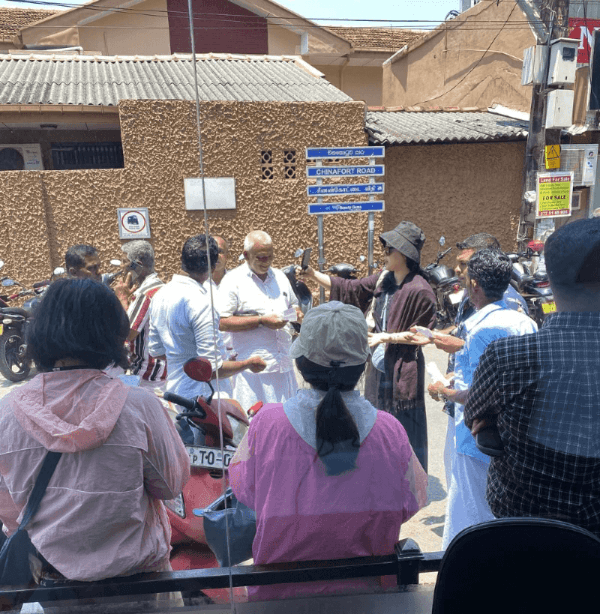
For readers who have followed my previous articles, it is possible to clearly observe the changes in the market. After several major shifts in the global environment, Sri Lanka’s gemstone procurement market has undergone a tremendous transformation compared to ten years ago. In the early years, there were only a small number of Chinese jewellery shop owners and wholesale buyers. Today, however, Sri Lanka has become an important hub for Chinese purchasing agents (“daigou”).
Daigou = Purchasing products from around the world and selling them directly online through the internet, then personally carrying or shipping them back to China.
Livestreaming = Using a smartphone and an online platform to conduct live sales of products on-site.
The market transformation is already a reality that cannot be reversed.
Origins of the Trend
During the pandemic, due to a lack of liquidity among gemstone owners and the inability of international buyers to travel, suppliers gradually accepted the practice of lending or consigning goods to daigou offices, allowing them 1–2 days for sales. Around 2021, shortly after the pandemic began to ease, Chinese nationals who had long resided in Nepal and overseas came to Sri Lanka and established livestreaming daigou offices. These offices provided ready stock for livestream sellers, triggering a new wave of daigou activity. One must admit that wherever daigou goes, it creates a market frenzy.
The pandemic has accelerated changes in the trading environment.
Convenience of the Internet
The lifestyle changes during the pandemic, being unable to travel abroad or even leave home, made online transactions more frequent than ever. Products could be listed online 24 hours a day, allowing people to shop and communicate anytime and anywhere. The internet has become the ideal platform for doing business, no longer limited by the operating hours of physical stores.
The Rise of Safe, Fast, and Affordable Delivery Services
China’s massive population and usage volume created a logistics miracle. The distance between Shanghai and Beijing is approximately 1,200–1,300 kilometres, requiring roughly 12–15 hours of driving one way. Yet express delivery can arrive as quickly as the next day. Shipping costs are also highly reasonable, approximately RMB 23–30 per kilogram, with optional insurance services for added security. This increased people’s reliance on courier services. From daily necessities to gemstones worth tens of thousands of yuan, consumers have become accustomed to the combination of internet shopping and high-quality logistics services: no need to leave home, fast delivery, and affordable shipping.
From my observations across several mainland Chinese cities, many retail spaces currently struggle to find tenants. Restaurants remain among the few businesses where people still prefer physical consumption. Although food delivery platforms are highly developed, allowing people to enjoy convenient and delicious meals without visiting restaurants, group dining is still usually done in person. With the support of the internet and logistics systems, physical stores are no longer necessary to conduct business.
Will Sri Lanka’s Upstream Gemstone Daigou Offices Disappear?
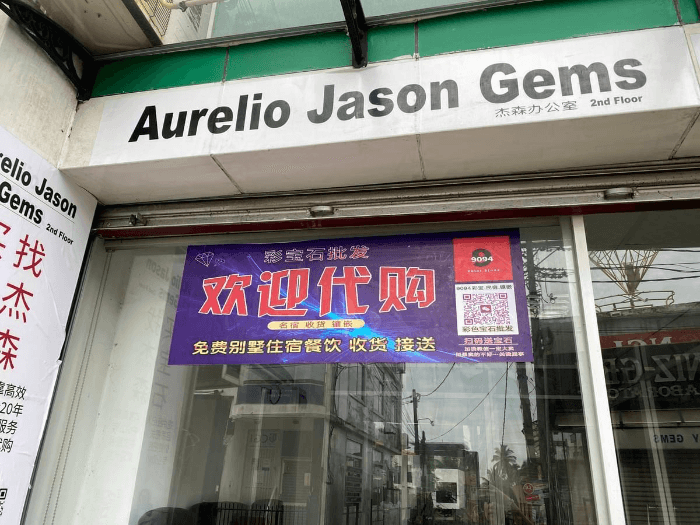
For readers who have followed my previous articles, it is evident that the market has undergone significant changes. After several major shifts in the global environment, Sri Lanka’s gemstone procurement market has undergone a tremendous transformation compared to ten years ago. In the early years, there were only a small number of Chinese jewellery shop owners and wholesale buyers. Today, however, Sri Lanka has become an important hub for Chinese purchasing agents (“daigou”)
One fact must be accepted: daigou has already expanded from China’s domestic hubs such as Shenzhen and Donghai into overseas markets, including Bangkok and Sri Lanka. Savvy Chinese have opened dedicated offices for daigou in the area. Services now include private transportation, luxury villa accommodations, fine dining, entertainment, and VIP-style hospitality. This has triggered another wave of enthusiasm within the daigou community to come to Sri Lanka and make money. The momentum has become unstoppable.
As I watched office after office change tenants every six months or a year, with colourful signs and Chinese slogans welcoming daigou agents, I could not help but feel emotional about how dramatically the times have changed.
What Future Awaits Physical Jewellery Stores in Mainland China?
The cost of sourcing gemstones has increased. Ten years ago, a budget of $10,000 could buy a large bag of gemstones, but now a budget of $10,000 can only buy a few.
Domestic rents in China remain extremely high. Compared to Sri Lanka’s slower pace of life, lower commercial rental costs, and the ability to rent large villas with swimming pools at relatively low prices, while also hiring affordable cleaning and cooking staff, many gemstone traders find their quality of life significantly improved. From a business perspective, they can attract large numbers of inexperienced daigou agents and centralise product sales. In addition to selling their own inventory, they can also borrow goods from a supplier to increase stock availability. Under such conditions, small-capital gemstone traders have gradually turned Thailand and Sri Lanka into overseas substitutes for domestic retail shops.
At present, only long-established jewellery brands still maintain physical storefronts in China. Most small-scale traders and newcomers to the industry have shifted their business model, choosing instead to rent desks directly at production sites and conduct livestream sales. Once they achieve a stable income, they begin renting their own offices.
What About Intermediaries in Sri Lanka?
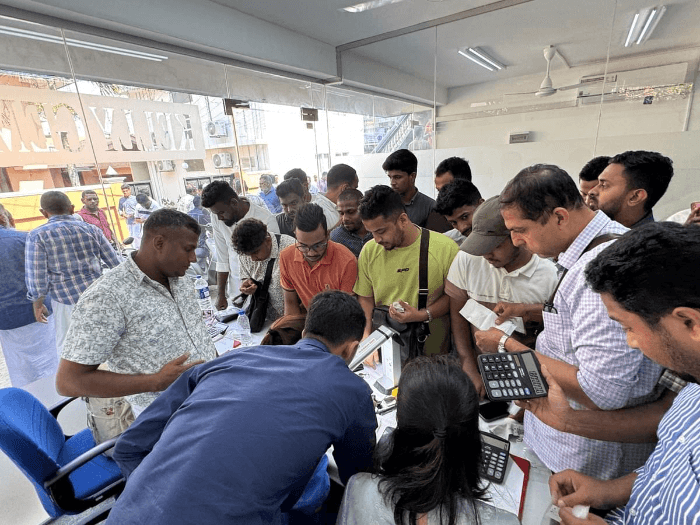
Market disputes continue to occur frequently. There are many cases where foreigners purchased gemstones without an intermediary, were told by sellers that the stones were “unheated,” only to later discover through testing that the gemstones had, in fact, been heat-treated. In many cases, there was no way to pursue compensation.
Recently, there was even a case in which a Sri Lankan seller sold gemstones worth approximately RMB 100,000 to a Chinese buyer who still had not paid after an entire month and clearly showed no intention of repaying. Such behaviour is illegal when conducted without proper intermediary involvement. I strongly advise all foreigners to work only with legitimate gem license holder intermediaries, ensure that financial transactions are handled legally, and comply with all laws and regulations.
Important Reminders Under Sri Lankan Regulations (Please Beware of Fraud)
* Foreigners are not permitted to establish wholly foreign-owned jewellery companies.
* Foreign investors are not permitted to own mining rights or directly invest in mining areas.
* Exporting undeclared gemstones is prohibited unless tourists possess valid purchase receipts and the quantity and value fall within customs regulations.
* Unlike Thailand, Sri Lanka's gemstone exports are exempt from tariffs( Thailand requires no customs declaration)
The Internet Is Filled with Misleading Short Videos and False Information
* Remember: There are no gemstone mines in Beruwala.
* Foreigners cannot legally own mining rights.
* Videos claiming “Today we spent XXX amount cutting rough stones” are often staged according to scripts.
* Beruwala is a Muslim cultural area. Women should avoid overly revealing clothing (such as tank tops and short shorts) out of respect for local culture.
* Please do not dance in the marketplace. Such behaviour spreads rapidly through local Sri Lankan community groups.
Wishing everyone success and peace of mind. If you enjoyed this article, please like and share it. Thank you.
Author Kelly Liu
Over 10 years of gemstone intermediary experience in Sri Lanka’s upstream market.
GIC-certified gemmologist from China University of Geosciences (Wuhan).
FGA Gemmologist (Member) of the Gemmological Association of Great Britain.
Master of Arts in Luxury Jewellery Management, Birmingham City University, UK.
Published gemstone and gemmology research papers through China University of Geosciences (Wuhan) as a sole author.
Long-term researcher and analyst of Sri Lanka’s coloured gemstone market.
Contributor to jewellery magazines and journals.
Founder/ Managing Director, KELLY GEMS Gem Exchange & Trade (Intermediaries)
Founder, Gemstone Traceability by KGI Laboratory